
CIBIL
"RBI Ka Naya CIBIL Rule 2026: Ab Har Payment Din Mein Update Hogi — Jaanein Kya Badla"
RBI Ka Naya Weekly CIBIL Update Rule 2026: Har Borrower Ko Kya Pata Hona Chahiye
Agar aapne kabhi loan EMI pay ki hai ya credit card bill clear kiya hai, aur socha hai ki ye CIBIL report mein show hone mein itna time kyun lagta hai — toh RBI ne iska jawab de diya hai. 1 July, 2026 se, credit information report hone ka tareeka badal raha hai, aur ye change desh ke almost har borrower ko affect karega — chahe wo pehli baar credit card use kar raha ho ya multiple loans manage kar raha ho.
Is post mein hum exactly samjhenge ki kya change hua hai, iske peeche ke numbers kya hain, aur ye aapke credit profile ke liye kya matlab rakhta hai.
Financial Taalim Take: Financial industry mein 8-10 saal kaam karte hue maine ye situation baar-baar dekhi hai — koi customer walk-in karta hai jisne apna loan fully close kar diya hota hai, ya jiska koi EMI overdue (DPD) tha wo already clear kar chuka hota hai, lekin CIBIL report mein wo abhi bhi purana status hi show kar raha hota hai. Iski wajah se unka naya loan reject ho jaata hai ya delay ho jaata hai, aur humein lender ke saamne baith kar ye justify karna padta hai ki customer ne actually payment kar di hai, sirf report update nahi hui. Ye ek genuine aur bahut common problem hai jo main field mein regularly face karta raha hoon. Is naye rule ke aane se, jahan ab CIBIL data har kuch dino mein update hoga, ye exact problem solve ho jayegi — customer ka clean record time pe reflect hoga, aur na hume, na customer ko unnecessary justification dena padega.
Kya Exactly Change Hua Hai
Ab tak, banks aur NBFCs CIBIL, Experian, Equifax, aur CRIF jaise bureaus ko credit data monthly ya fortnightly cycle mein report karte the. Iska practical matlab ye tha ki agar aapne EMI clear kar di ya loan close kar diya, toh ye update credit report mein reflect hone mein 30 se 60 din lag jaate the — aur ye delay loan approvals ke time genuine problems create karta tha, kyunki lenders outdated data pe decision le rahe hote the.
RBI ki revised Credit Information Reporting Directions ke under, ab lenders ko credit data mahine mein 4 baar report karna hoga, in fixed dates pe:
9 tareekh
16 tareekh
23 tareekh
Mahine ka last din
Ye basically India ke credit reporting system ko monthly cycle se near-weekly cycle mein shift kar deta hai. Ye rule sab banks aur NBFCs pe uniformly apply hoga — matlab ye koi optional ya lender-specific choice nahi hai.
RBI Ne Ye Change Kyun Kiya
Regulator ki soch teen main goals pe based hai:
Information lag kam karna — lenders often borrowers ko aise data pe assess kar rahe the jo unki actual current financial behavior reflect nahi karta tha.
Transparency improve karna — borrowers ko aksar report mein errors milte the, jaise time pe kiya gaya payment bhi mahino tak "late" dikha raha hota tha.
Dispute resolution strong karna — RBI ke ombudsman channels pe lagatar complaints aa rahi thi ki outdated data loan aur credit card decisions ko affect kar raha hai.
Simple bhasha mein, RBI chahta hai ki India mein credit decisions borrower ki current behavior pe based ho, na ki ek do-mahine purani snapshot pe.
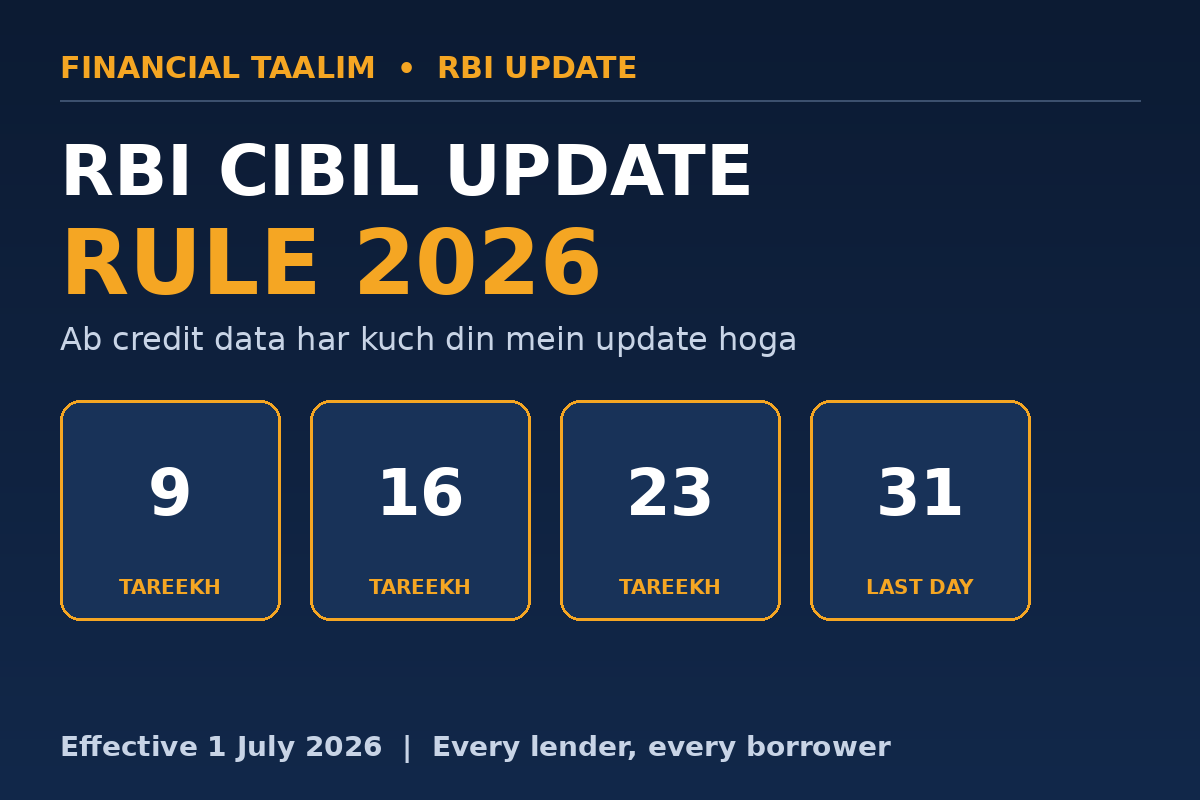
RBI ka naya weekly-equivalent reporting schedule — 1 July 2026 se effective
Bada Change: Negative Marks Ke Liye 7-Saal Ka Rule
Faster reporting ke saath-saath, RBI ne ek aur important rule introduce kiya hai jiska long-term impact hoga: derogatory marks — jaise settled accounts, written-off loans, aur late payment records — ab borrower ki credit file se 7 saal baad automatically remove ho jayenge. Isse India ki credit reporting practices international standards ke kareeb aa jaati hain, jahan negative marks borrower ko hamesha ke liye follow nahi karte.
Yahan ek important detail samajhna zaroori hai — 7-saal ka clock original default ya settlement ki date se start hota hai, na ki jab se ye rule effective hua hai. Toh agar koi default 5 saal pehle hua tha, toh wo sirf 2 saal aur mein credit report se hat jayega, na ki poore 7 saal baad.
Agar Aapka Repayment History Clean Hai Toh Iska Kya Matlab Hai
Disciplined borrowers ke liye ye largely achi khabar hai:
On-time EMI payments aur credit card bill payments ab din mein reflect hongi, hafto mein nahi.
Loan closure almost turant visible hoga — ye especially important hai agar aap ek purana loan close karne ke turant baad naya loan apply kar rahe ho.
Credit repair efforts faster dikhenge. Agar aap apna credit utilization kam kar rahe ho ya overdue amounts clear kar rahe ho, toh ye improvements ab ek-do billing cycles ki jagah kuch hi dino mein show hongi.
Agar Aapse Payments Miss Hui Hain Toh Iska Kya Matlab Hai
Iski doosri side bhi seriously samajhni zaroori hai: ek single missed EMI ya failed auto-debit ab kuch hi dino mein aapke credit report pe aa sakta hai. Wo buffer jispe kai borrowers unknowingly rely karte the — jahan occasional late payment hafto tak visible nahi hota tha — ab effectively khatam ho gaya hai.
Isliye ye karna aur bhi zaroori ho gaya hai:
Auto-debit reminders due date se kuch din pehle set karo, due date ke din nahi
EMI aur credit card due dates ke aas-paas apne linked account mein buffer amount rakho
Ye assume mat karo ki missed payment record hone se pehle koi "grace period" milega
Kya Ye CIBIL Score Calculate Hone Ka Tareeka Bhi Badal Raha Hai?
Nahi. Yahan do cheezon ko alag samajhna zaroori hai:
Kya change ho raha hai: aapka repayment data bureau tak kitni frequently pahunchta hai.
Kya change nahi ho raha: bureaus jo underlying formula score calculate karne ke liye use karte hain — jaise repayment history, credit utilization, credit mix, aur credit history ki length — wo same rehta hai.
Kuch reports mein ek supplementary lender-side metric ka bhi zikar hua hai jise kabhi-kabhi "Credit Health Score" (CHS) kaha jaata hai, lekin ye aapke primary CIBIL score se alag hai, jo abhi bhi loan aur credit card decisions ke liye main benchmark bana rahega.
Borrowers Ko Abhi Kya Karna Chahiye
Aaj hi apna CIBIL report check karo, taaki naye reporting cycle se pehle aapke paas ek clear "before" picture ho.
Koi bhi pending dues turant clear karo — naye system mein, aisa karne ka benefit pehle se kaafi jaldi reflect hoga.
Apne standing instructions aur auto-debit mandates review karo, ye confirm karne ke liye ki wo active hain aur account mein sufficient balance hai.
Agar koi error hai toh abhi dispute file karo, kyunki naye cycle mein inaccurate entries bhi fast update hongi — matlab corrections bhi jaldi reflect ho sakte hain.
Thodi der mein multiple loans apply karne se bacho, kyunki enquiries aur naye accounts bhi pehle se jaldi lenders ko visible honge.
Real Case, Real Delay: Ek customer ka case yaad aata hai jo exactly yahi problem highlight karta hai. Unhone kisi wajah se apni EMI miss kar di thi, aur baad mein loan ko "settle" kar diya tha — jiski wajah se unke CIBIL report mein "settled" status show hone laga. Baad mein jab wo kahin naya loan lene gaye, toh isi settled status ki wajah se unhe problem aane lagi — lenders settled accounts ko red flag ki tarah dekhte hain. Isliye unhone decide kiya ki bacha hua poora outstanding amount clear kar denge, taaki record theek ho jaye. Unhone payment kar bhi di — lekin CIBIL report mein wo update hone mein kaafi time lag gaya, aur is delay ki wajah se wo kaafi pareshaan the, kyunki unka loan process usi wajah se atka hua tha. Ab, is naye rule ke baad — jahan update near-daily basis pe hoga — is tarah ki pareshaani future mein nahi aayegi. Payment karne ke kuch hi din baad record update ho jayega, aur customer ko is tarah lambe intezaar mein pareshaan nahi hona padega.
Bottom Line
RBI ka ye weekly-equivalent credit reporting wala move India ke credit ecosystem mein recent saalon ka sabse bada change hai. Ye financial discipline ko faster reward karta hai aur us guesswork ko kam karta hai jo borrowers ko pehle deal karna padta tha. Saath hi, ye galti ke liye bahut kam jagah chodta hai — missed payments ab "wait and see" wali situation nahi rahi.
Financial Taalim Recommendation: Overall, Financial Taalim ki taraf se ye recommendation hai ki ye naya rule un borrowers ke liye kaafi accha hai jinse galti se kabhi EMI miss ho gayi thi aur uski wajah se unhe updation mein dikkat aa rahi thi, jo aage jaake naya loan lene mein bhi problem create kar raha tha. Aise genuine cases ke liye ye rule ek bada relief hai — record ab jaldi correct hoga aur unhe baar-baar justification nahi deni padegi.
Lekin iska ek dusra side bhi hai jo dhyan mein rakhna zaroori hai. Pehle, kai baar aisa hota tha ki koi customer ek loan le leta tha — maan lijiye ₹1 lakh ka — aur wo turant CIBIL mein update nahi hota tha. Is reporting lag ka fayda uthate hue kuch customers usi gap mein dobara kahin aur bhi loan apply kar dete the, kyunki naye lender ko purana loan dikhta hi nahi tha. Isse unhe loan mil bhi jaata tha, lekin end mein unke upar ek saath do loans ka burden aa jaata tha jo repay karna mushkil ho jaata tha. Is naye rule ke aane se ab ye gap kaafi kam ho jayega — kyunki data near-daily update hoga, dusra lender bhi jaldi dekh payega ki pehle se ek loan already active hai. Isse genuine borrowers ke liye toh transparency aur badhegi, lekin jo customers is reporting lag pe rely karke jaldi-jaldi multiple loans lete the, unke liye ab turant dusra loan lena pehle jitna aasan nahi rahega.
Ye article sirf educational purpose ke liye hai aur financial advice nahi maana jaana chahiye. Rules aur timelines change ho sakte hain, isliye hamesha RBI ki latest official notifications se verify karein.
Related Posts
CIBIL
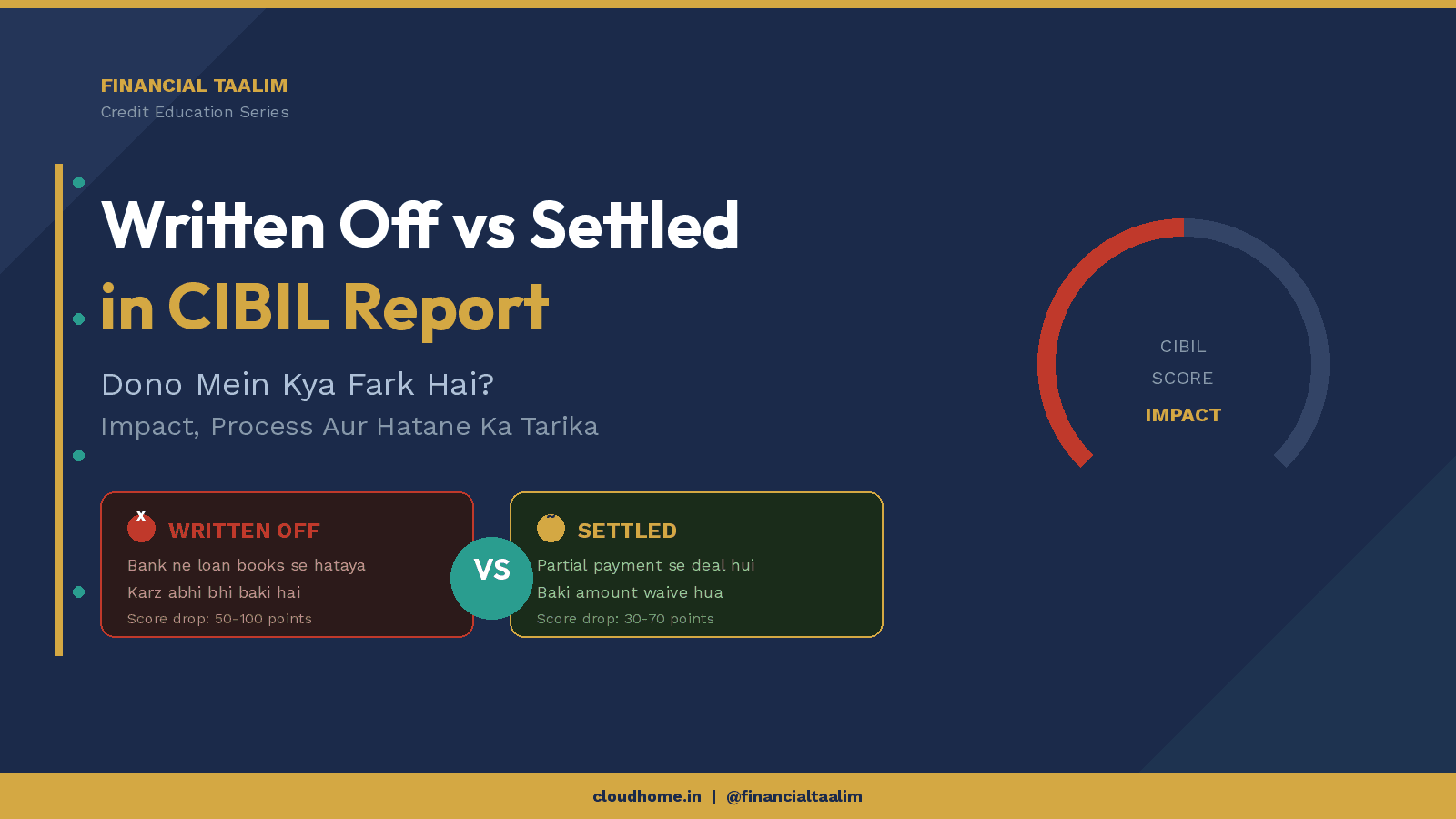
Written Off vs Settled in CIBIL Report: Dono Mein Kya Fark Hai Aur Kaise Hatayein?
CIBIL report mein "Written Off" aur "Settled" status dekhkar confused hain? Dono mein kya fark hai, credit score par kya asar padta hai, aur inhe kaise hatayein — sab kuch is guide mein samjhein.
CIBIL
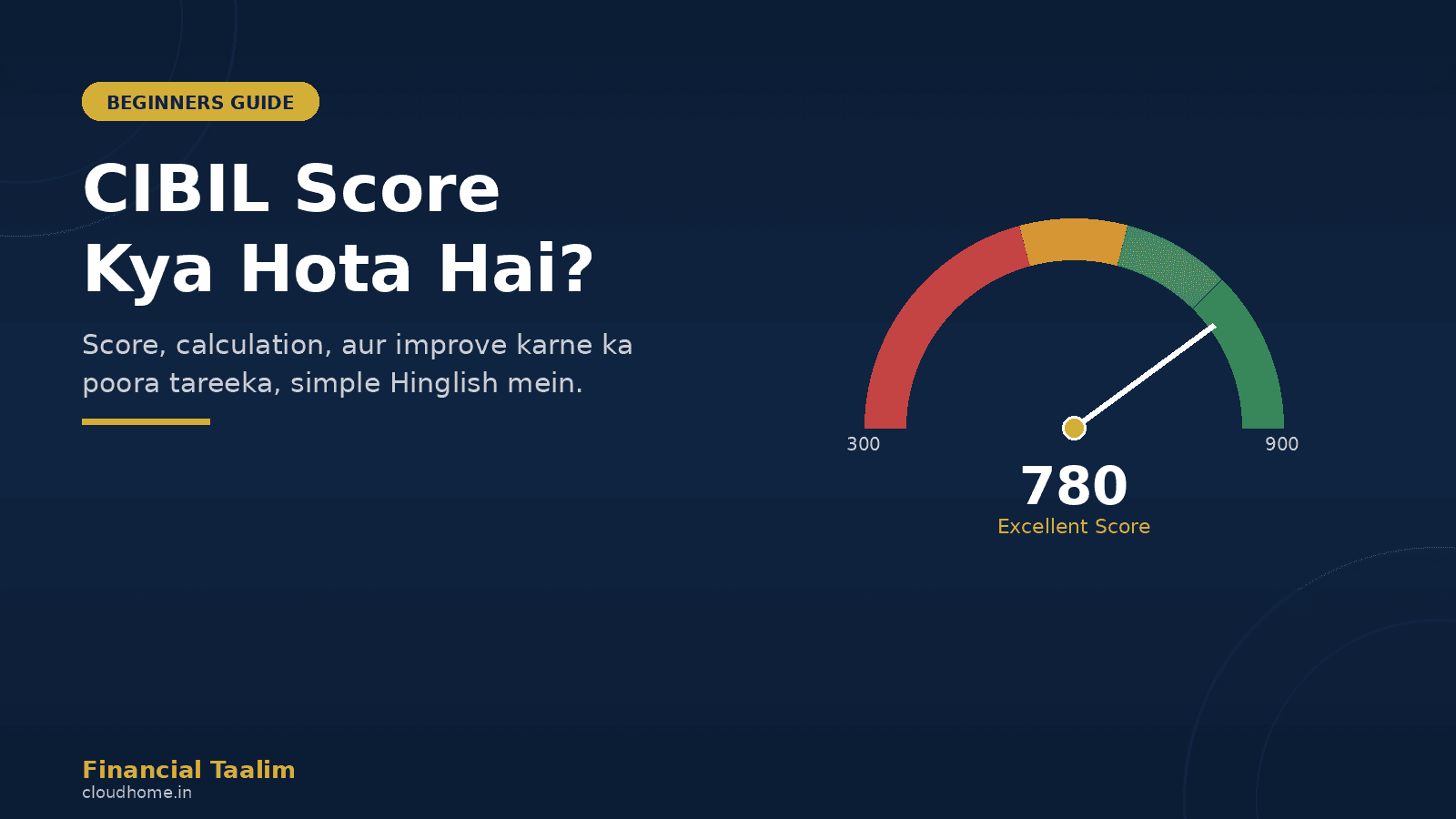
CIBIL Score Kya Hota Hai? Beginners Ke Liye Poori Jaankari Hindi Mein
CIBIL naam toh sabne suna hai, par matlab kam logon ko pata hai. Iss beginner-friendly guide mein CIBIL score kya hai, kaise banta hai, aur kaise improve karein, sab kuch simple Hinglish mein. #CIBILScore #CreditScoreIndia #FinancialTaalim #PersonalFinance #CIBILGuide #LoanTips #CreditAwareness